
Historic Pubs of Bicester: The Stories Behind the Signs
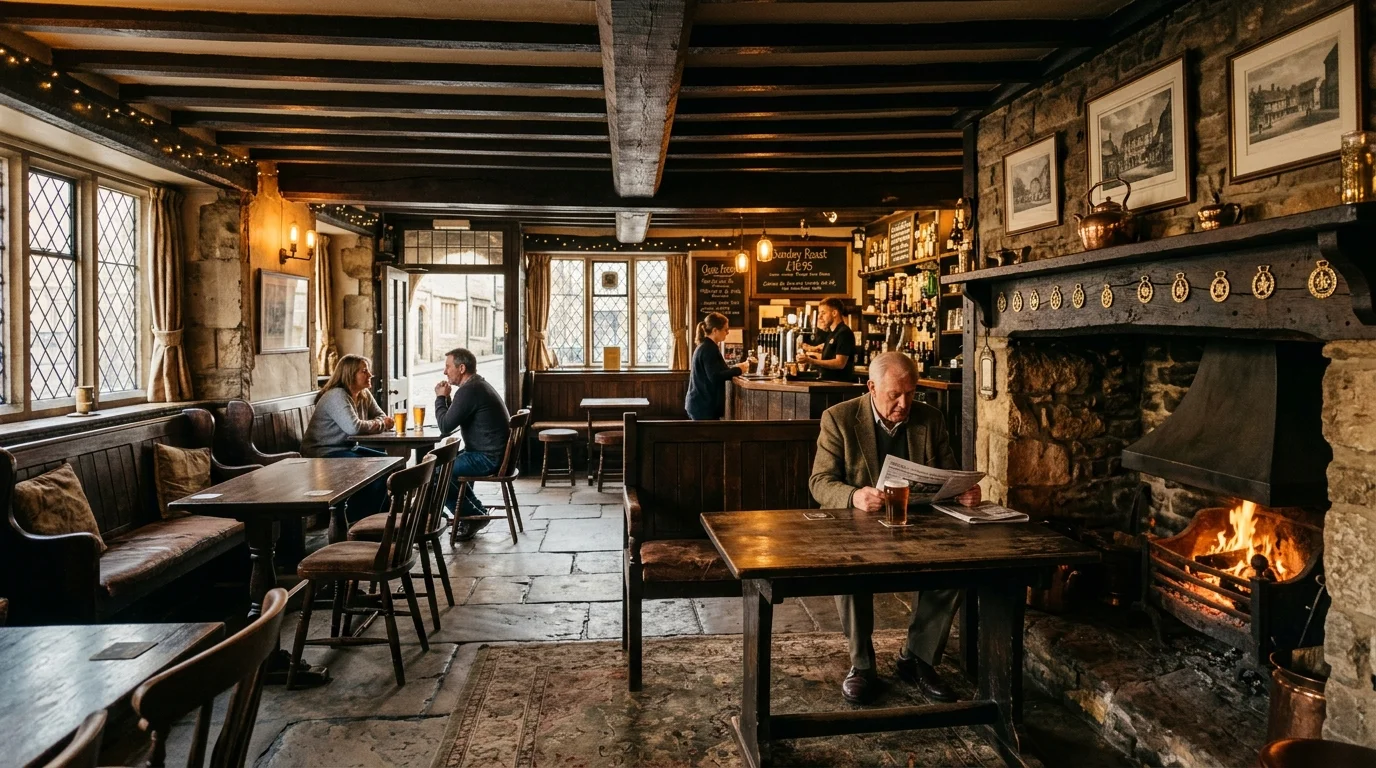
Stepping off the modern paving of Market Square into an oak-beamed taproom lets you experience centuries of local hospitality. You might pop into a central tavern for a quick lunch after completing your Friday market shopping, barely noticing the timber lintels above your head. Beneath those ancient roof timbers lies a fascinating archive of coaching routes, royal mail posts, and legal gatherings that shaped this Oxfordshire market town. Studying the historic pubs Bicester maintains today offers you a direct window into how travellers, cattle drovers, and local traders gathered over centuries. You will find that these timber and stone buildings preserve key examples of the finest surviving architecture across the historic town centre.
TL;DR: Historic Pubs of Bicester
- What this post covers: The complete guide to historic pubs Bicester offers, exploring coaching inns, market taverns, and legal gathering halls.
- Why it matters to Bicester residents now: Understanding pub heritage helps you appreciate the architectural character of Market Square and Sheep Street as commercial developments evolve.
- The key highlight or finding: The King’s Arms in Market Square operated as the primary mail coach hub during the 1830s while hosting local County Court sessions until 1864.
- What practical information they will get: Confirmed street addresses with OX26 postcodes, architectural details you can inspect today, and historical origins from the 17th century.
- A single immediate action they can take: Take a 20-minute walking tour starting at 40 Market Square to inspect the historic coaching archways and timber lintels firsthand.
Which Are the Oldest Coaching Inns Along Market Square and Sheep Street?
Long before passenger trains arrived in 1850, Bicester stood as a vital overnight staging point on major carriage routes between London, Oxford, and Banbury. Stagecoaches required frequent horse changes every ten to twelve miles, turning local inns into bustling transport hubs. The King’s Arms Hotel at 40 Market Square (OX26 6AH) emerged as the principal posting house for the town during the early 18th century. Behind its Grade II listed stone frontage, ostlers cared for dozens of horses while passengers dined in rooms heated by open stone hearths. You can still admire the heavy structural timbering inside the taproom, which dates back to earlier 17th-century structures integrated into the main building. The inn held immense civic importance, housing the local Inland Revenue office and serving as the temporary venue for Oxfordshire County Court hearings until a dedicated court building opened nearby in 1864.
Further north along Sheep Street, The Crown Hotel operated as the chief commercial rival to The King’s Arms throughout the 18th and 19th centuries. Coachmen driving the Royal Mail routes pulled their horses through the wide central archway to reach extensive stables and the town Corn Exchange behind. Although the inn closed its doors in the 20th century, the original entrance archway survives today as the pedestrian gateway into Crown Walk shopping arcade. When you take a historic walk down Sheep Street, passing through this stone archway allows you to trace the exact route horse-drawn carriages followed two hundred years ago. The intense competition between these two establishments drove the expansion of local accommodation, establishing high standards of food and shelter for travellers crossing Oxfordshire.
What Hidden History Lies Behind Bicester’s Old Pubs and Taverns?
Beyond the large coaching hotels, smaller taverns provided food and drink for market traders, agricultural workers, and town residents. The Bell Inn on Sheep Street (OX26 6LJ) represents one of the longest continuous public house sites in the region, continuing its role today as a hub for live music and gigs in Bicester. Records preserved by the Bicester Local History Society trace a tavern named The Bell on this street back to the 14th century, when the land formed part of the medieval Augustinian Priory estate. The current building features early 17th-century stone walls and internal timber framing constructed around 1629. Inside, you can view an unusual local custom that began around 1900, where landlords hang a small hot cross bun from the ceiling beams every Good Friday to protect the building from bad fortune.
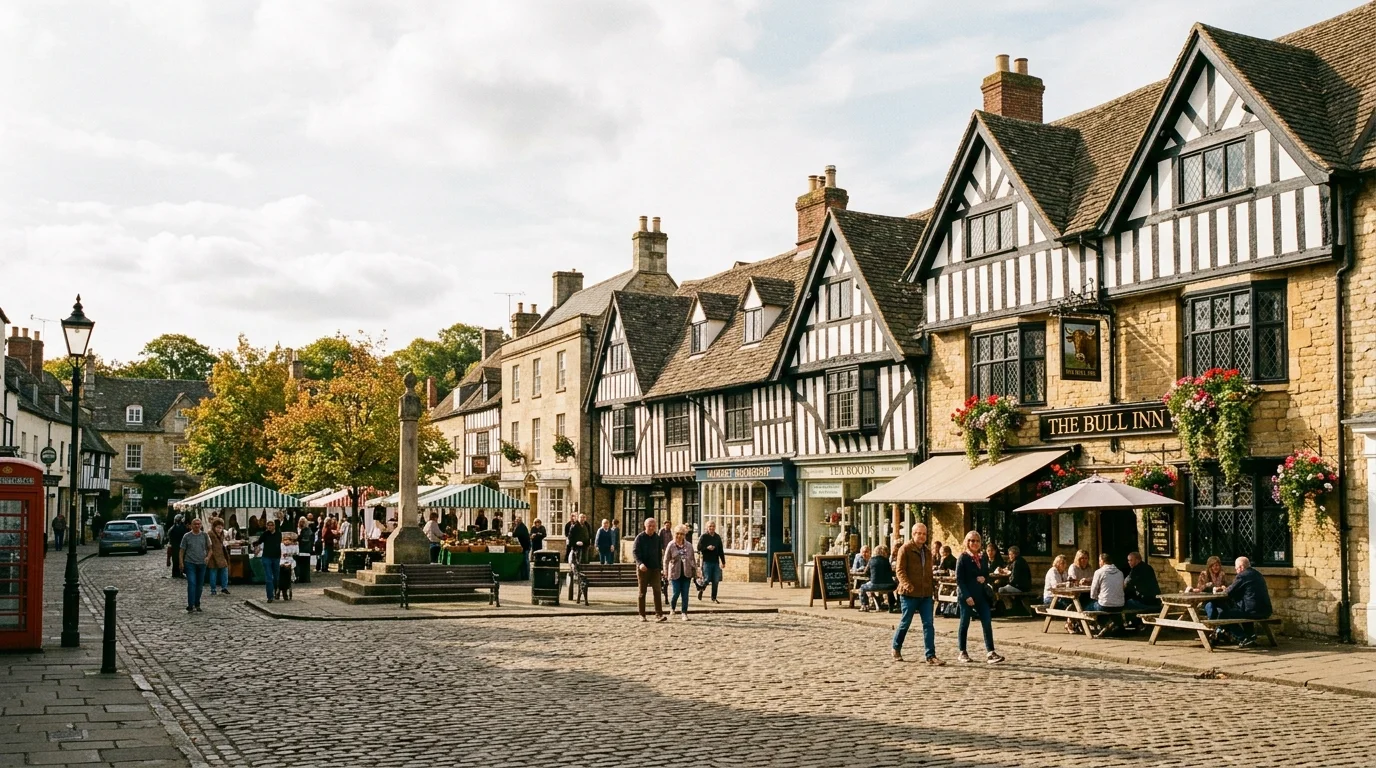
At 35 Market Square, the former Red Lion Inn demonstrated how local pub history Bicester recorded was tied to community governance and rural commerce. Built in the late 18th century, this tavern hosted annual hiring fairs where agricultural labourers negotiated contracts with local farmers. Town coroners regularly held official inquests inside the upstairs meeting rooms during the 19th century, utilizing the public house as an informal town hall. Although the property later operated under the name Ye Olde Pioneer before converting into a restaurant in 2009, the stone exterior retains its distinctive late Georgian window proportions. You can discover additional architectural details of surrounding commercial properties in our dedicated guide to Bicester’s Market Square history. Other famous old pubs Bicester once hosted include The Cross Keys, The White Hart, and The Angel, each playing a distinct role in housing market day visitors.
How Did Military Aviation and Rural Trade Shape Bicester’s Pub History?
The growth of local public houses was always linked to economic expansions and military developments around the town. When King Henry III granted Bicester its weekly market charter in 1239, drovers began guiding cattle and sheep into Market Square from surrounding villages like Chesterton and Launton. Tavern landlords opened temporary ale booths and stables to accommodate these traders, establishing hospitality patterns that lasted for centuries. You can see how medieval monastic brewing traditions at nearby St Edburg’s Church laid the groundwork for commercial alehouses that flourished across the parish.
During the First World War, military aviation transformed the local social landscape when the Royal Flying Corps established an airfield perimeter in 1916. Airmen and ground crews stationed at the base frequented town centre public houses, creating strong bonds between military personnel and local publicans. That aviation legacy continued through World War II as Bomber Command squadrons operated from the site, which you can read about in our comprehensive RAF Bicester history guide. Cask ale breweries from Oxford and Banbury acquired nine town taverns during this era to supply the expanding population. The survival of these historic buildings ensures that modern patrons can experience authentic local atmosphere while enjoying contemporary food and drink menus, as highlighted in our current guide to the best pubs in Bicester.
How Should You Plan Your Historic Pub Stroll Through Bicester?
If you are planning an afternoon walk to explore local pub architecture, starting at Market Square offers the most convenient access to surviving stone facades. You can inspect the structural features of former coaching inns while enjoying a short walking circuit through the town centre.
| Visitor Preference | Recommended Route | Key Architectural Highlight |
|---|---|---|
| If you want to admire 17th-century coaching architecture | Start at 40 Market Square and walk north to Crown Walk on Sheep Street | Grade II listed stone frontages and surviving horse carriage archways |
| If you are interested in local folklore and traditional taverns | Visit The Bell Inn on Sheep Street near the North Street junction | 17th-century timber beams and the century-old hot cross bun ceiling collection |
| If you want to combine pub heritage with a full town tour | Follow Church Street past St Edburg’s towards Garth Park | Ancient stone boundary walls and medieval parish street layouts |
If you bring dogs or young family members along, choose venues with courtyard gardens or wider seating layouts to keep your walk comfortable. You can easily combine your historical exploration with visits to independent food shops or local coffee spots along the high street. Reading our broader overview of the history of Bicester provides extra context on how these heritage sites fit into two thousand years of local development.
What Legacy Do Bicester’s Historic Pubs Leave Today?
Preserving the historic pubs Bicester contains ensures that ancient stone craftsmanship, timber framing, and local stories remain an active part of daily town life.
You can continue your exploration of local heritage by visiting the weekly Bicester Friday Market or taking a quiet weekend walk through the historic churchyard at St Edburg’s.